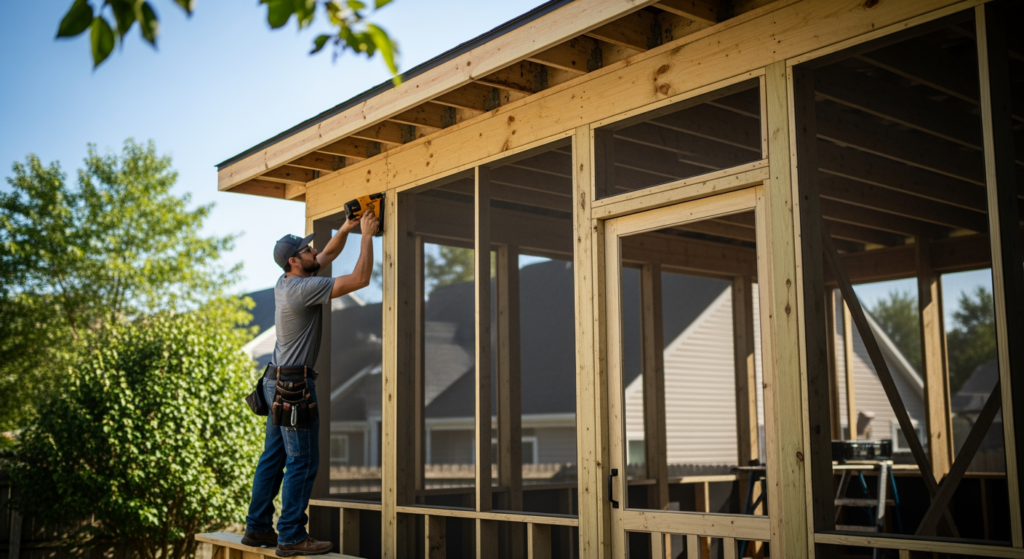
If you’ve been dreaming of fresh air without the bugs, a screened porch installation can change how you use your home’s outdoor space year after year, and recent trends show more homeowners investing in outdoor living as part of long-term remodeling plans according to the U.S. Census Bureau. I’ve worked with families and homeowners to turn porch ideas into comfortable, low-maintenance outdoor rooms, and in this guide I’ll walk you through what matters most: planning, materials, costs, upkeep, and how to pick the right team for the job.
Why a screened porch installation might be right for your home
A screened porch brings the best of the outdoors inside. You get fresh air, natural light, and a connection to your yard while staying protected from mosquitoes, rain, and heavy sun. For families with young children or pets, it creates a safer outdoor play area. For people who like to entertain, it increases usable living space without the full cost of an addition. In many neighborhoods, a screened porch can add curb appeal and help your home stand out to buyers when you eventually decide to sell.
From a practical standpoint, screened porches also reduce the effort required to maintain outdoor furniture and rugs since protection from direct sun and precipitation extends their life. And because screened porches can be designed to integrate with your home’s roofing and framing, they often require fewer structural changes than fully enclosed room additions.
How to plan a screened porch installation
Good planning saves time and money. I recommend starting with a clear purpose for the porch: Will it be an all-season sitting area, a shaded breakfast spot, or a place for dining and grilling? That goal shapes size, location, and the materials you choose. Before any work begins, take time to map out access points, furniture layouts, and how the porch will flow from your house and yard.
Choosing location and layout
Location matters for sun, wind, and view. A porch on the east side is great for morning light and cooler afternoons, while a west-facing porch sees more evening sun. Think about wind and prevailing weather patterns in the city when planning screened openings. Also consider privacy—spotting sight lines from neighbors or the street early in the design process helps you decide whether to add taller screens, lattice, or plantings for natural screening.
- Measure the area and sketch furniture layouts before finalizing size.
- Plan for a clear path from interior doors to the porch to avoid tight traffic flow.
- Keep grills and open flames a safe distance from the house and screens; plan a separate cooking zone if you entertain often.
- Factor in seasonal needs—if you want a porch usable in cooler months, plan for insulated roof and heating options.
Materials, screens, and design options
Material choices determine look, maintenance level, and cost. Common framing materials include pressure-treated wood, cedar, and aluminum. Decking options range from natural wood to low-maintenance composites. A metal frame often reduces long-term maintenance but gives a different visual style than a wood build.
Screen types vary in openness and durability. Standard fiberglass mesh is affordable and resists rust, while aluminum screens are stronger and better for pet owners. For homeowners wanting clearer views and less visual impact, solar screens reduce glare and UV without blocking the landscape. There are also specialty screens—pet-resistant meshes, micro-mesh for tiny insects, and even retractable screens for a flexible indoor-outdoor feel.
Roofing can match your house, use a lighter porch-style roof, or employ a transparent polycarbonate option that keeps rain out while letting light in. You can finish a porch with traditional railings, half-walls for a cottage look, or full knee walls for added privacy and structural stability. Trim, lighting, and ceiling fans are small details that make the space feel like an extension of your home.
Trending tech and materials
Two trends I’m seeing across projects are multi-season porches and smart screening solutions. Multi-season or four-season porches use insulated roofs, thermal windows or removable panels, and efficient heating to make the space comfortable beyond summer. Homeowners who want the best of both worlds are opting for retractable screen systems that allow open-air living when weather permits and protection when it doesn’t. Another trend is eco-conscious materials—low-maintenance composite decking and sustainably sourced wood—that reduce upkeep and environmental impact.
Costs, financing, and ROI
Costs depend on size, materials, and complexity. A basic screened porch built onto an existing deck will cost less than a custom-designed porch with insulated roofing, electrical, and specialty screens. It helps to get multiple quotes and to ask contractors to break down costs by labor, materials, and permits so you can compare apples to apples. I always advise setting aside a contingency fund for unexpected framing repairs or upgrades that reveal themselves once work begins.
Think about return on investment in two ways: immediate quality-of-life improvements and potential resale value. A well-built screened porch can be a key selling point for buyers who want outdoor living without dealing with insects and direct sun. Financing options may include home improvement loans or using home equity, but always check local interest rates and terms to find the best fit for your budget.
Maintenance and lifespan
A thoughtful maintenance plan keeps your porch looking good and working well for years. Regular upkeep is usually straightforward and prevents small issues from becoming costly repairs. Pay attention to drainage, paint or stain condition, screen tears, and fastener corrosion, especially in areas with seasonal storms or high humidity.
- Inspect screens and frames at least twice a year and patch or replace small tears promptly.
- Clean surfaces with mild detergent and rinse to prevent mold and mildew buildup.
- Check roof flashing and gutters annually to ensure water sheds away from the porch foundation.
- Re-seal wood decking or trim every few years depending on exposure and material.
When well cared for, a screened porch can last decades. Composite materials reduce the need for frequent staining, while aluminum and stainless fasteners resist corrosion in moist climates. If you plan to convert your porch to a sunroom later, consider routing for electrical and planning footings to support future loads during the initial build.
Common problems homeowners face and how a contractor can help
Homeowners commonly encounter issues like uneven foundations, poor drainage, and screens that don’t hold up to weather or pets. A good contractor will assess the site for proper grading and drainage, recommend screen types based on local insect pressures and sun exposure, and ensure the structure ties back into your house safely and according to code. If your project requires electrical, HVAC, or plumbing, hiring licensed subcontractors through your builder helps keep the project coordinated and code-compliant.
If pests like mosquitos are a particular concern, discuss integrated pest minimization strategies such as screened entryways, tight-fitting frames, and landscaping choices that don’t attract standing water. For noise or privacy, consider added insulation in the roof and higher knee walls or strategically placed plantings to improve both sound buffering and screening from neighbors.
How to choose the right contractor for screened porch installation
Choosing the right contractor is as important as choosing the design. Look for professionals who specialize in outdoor rooms or porch builds and who can show recent, local project examples. Ask for references and visit completed projects when possible to see workmanship up close. Licensing, insurance, and a clear written contract are non-negotiable—these protect you and ensure the work follows local building codes.
Ask prospective contractors about timelines, how they handle unexpected issues, what kind of warranty they provide, and how they manage site cleanup. Clear communication is a sign of a reliable crew. When you get bids, don’t automatically pick the lowest price; value and reliability often matter more in the long run. A slightly higher cost for better materials or a more experienced crew can save money and headaches over time.
Finally, if you live in a neighborhood with association rules or historic district guidelines, check rules before finalizing plans. Some HOAs require approval of exterior changes, and historic districts sometimes restrict visible design elements. Getting approvals early keeps your project on schedule and avoids costly revisions.
I’ve helped homeowners turn porch ideas into practical spaces that fit their pace of life and budget. If you’re thinking about a screened porch installation and want an honest assessment or a clear, no-nonsense quote for your property in the city or your neighborhood, I can help you plan the next steps. Reach out for a consultation and let’s design a porch that feels like a natural extension of your home.
Ready to talk? Tipton’s Fine Tuned Carpentry can walk you through design, permits, and a fair estimate tailored to your property.