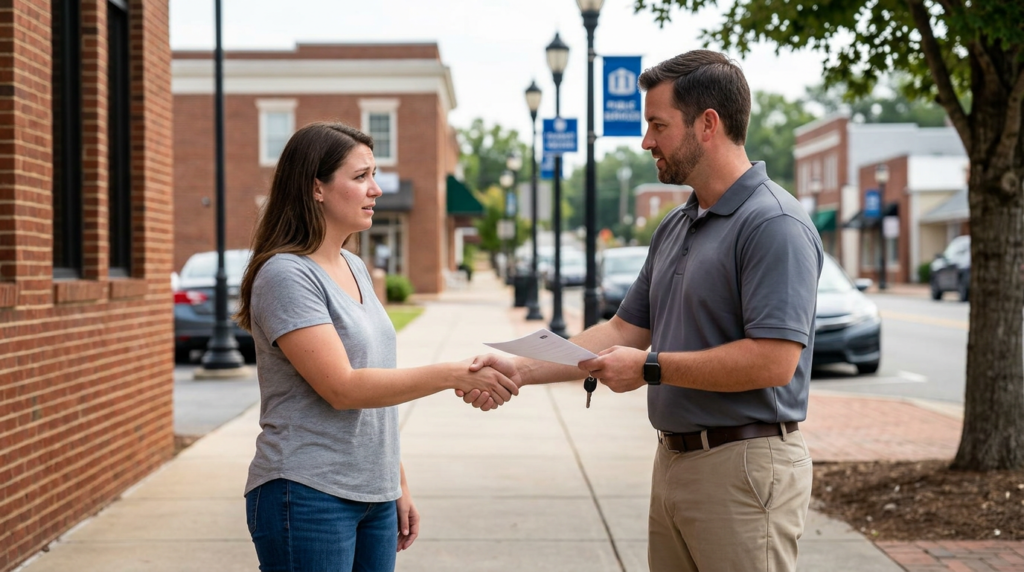
Quick answer: A bail bond lets someone leave jail while their court case moves forward by having a bond company guarantee the full bail amount to the court. You typically pay a nonrefundable premium and may need a co-signer or collateral, then the bondsman files the bond and the jail processes release. The defendant must follow all bond conditions and attend every court date, or the bond can be forfeited.
What You’ll Be Asked For to Start a Bond
If you’re trying to get someone out quickly, gather the person’s full name, date of birth, and where they’re being held. The most useful details are the booking/inmate ID number and the bail amount; if you don’t have those, a bondsman can often help you track them down once the jail has finished booking. If you’re looking for a local provider, start with Waxhaw NC bail bonds and compare any company you call based on licensing status, clear written terms, and how directly they answer questions.
You’ll also be asked about the defendant’s address, employment, and ties to the area, plus your relationship to them. That information helps the bond company decide whether a co-signer (often called an indemnitor) is required and what conditions they’ll set. If collateral is requested, ask what qualifies, how it’s documented, and what has to happen for it to be returned.
A practical flow most people follow is: call a bondsman → confirm the defendant’s location, charges, and bail → discuss the premium, co-signer needs, and any collateral → review and sign paperwork → the bondsman posts the bond with the court/jail → the jail completes release processing. Keeping those steps straight helps you avoid delays caused by missing information or last-minute surprises.
What the Fee Covers and What You’re Agreeing To
In North Carolina, bail bond premiums are typically set by law or regulation rather than negotiated like a retail price, so confirm the current rate and any allowed payment arrangements directly with the bondsman before you commit. The premium is generally treated as nonrefundable because it pays for the service of posting the bond and assuming the risk with the court.
Before you sign anything, read the agreement for plain-language items: who is financially responsible, what triggers additional costs (for example, expenses tied to locating and returning a defendant who fails to appear), and what the bondsman can do if they believe the defendant will not comply. If something is unclear, ask for it to be explained in one sentence and request a copy of anything you sign.
Ask these questions of any bondsman so you can compare apples to apples: How is collateral held and documented, and when is it returned? Who is responsible if the defendant misses court and the bond is forfeited? Are payment plans available, and what happens if a payment is late? Under what conditions can the defendant be surrendered back to custody, and are there fees tied to that?
Release Timing, Court Dates, and Common Pitfalls
I can’t verify from the information provided which specific jail typically processes Waxhaw-area arrests, so the safest next step is to confirm the defendant’s exact holding facility and booking status before paying anything. Booking has to be completed before release can happen, and some facilities won’t provide detailed information without the inmate’s full name and date of birth or a booking number.
Release timing varies widely and is affected by staffing, shift changes, medical screening, and any additional holds (for example, probation holds or warrants from another jurisdiction). Even after a bond is posted, the jail still has to process the release, so it’s normal for there to be a wait.
The most expensive mistake is missing court. A failure to appear can lead to a new charge, a warrant, and forfeiture of the bond, which can also put the co-signer at financial risk. Tell the defendant to track every court date, arrive early, keep their address current with their attorney, and communicate immediately if something serious prevents attendance. If you need help arranging a bond and want someone to walk you through the steps clearly, Get Out Bail Bond is a local place to start.