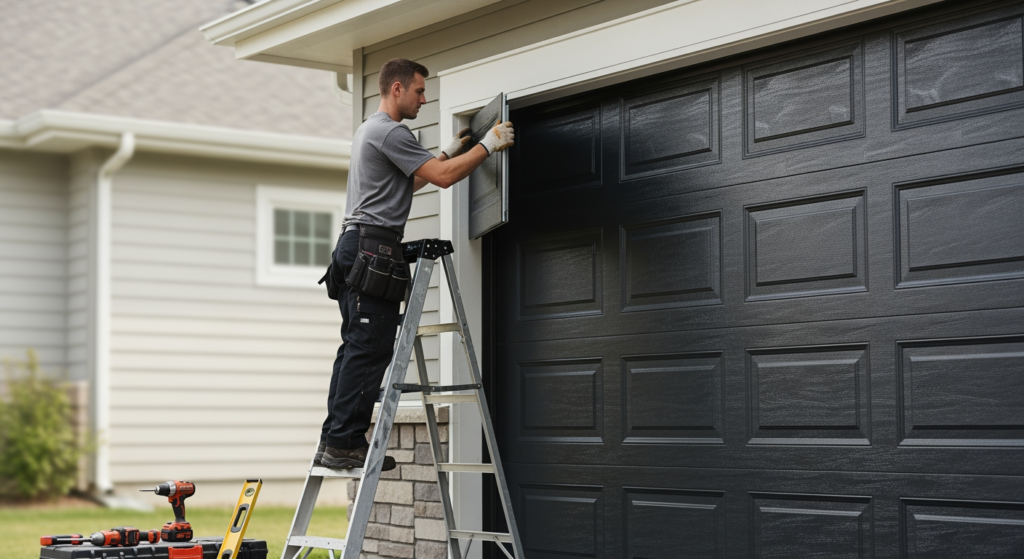
When my garage door started sticking and then refused to close one rainy evening, I realized I needed help fast and searched for a reliable Garage Door Company. Before I called a pro I checked safety guidance from the U.S. Consumer Product Safety Commission to know what risks to avoid and what questions to ask from the start https://www.cpsc.gov/. If you’re reading this because your door is noisy, slow, or worse—stuck—this article will walk you through what to look for, what to ask, and how to protect your home and wallet when hiring help in the city.
Why choosing the right company matters
A garage door is more than curb appeal. It’s the heaviest moving part on your home, it protects vehicles and storage, and when it fails it can be dangerous. Hiring the wrong technician can mean repeated repairs, unsafe fixes, or higher long-term costs. I’ve seen homeowners delay repairs until a small problem became a full replacement job. Choosing a professional who understands safety, proper parts, and local conditions saves time and money.
Signs you need professional service now
Not every squeak demands an emergency call, but some signs require fast attention. If your door suddenly drops while closing, the springs look uneven, the motor struggles to lift the door, or cables are frayed, stop using the opener and call a professional. These issues can be hazardous and are best addressed by a trained technician who has the right tools and replacement parts.
Common failure points
Most service calls trace back to a few recurring problems: broken springs, worn rollers, damaged cables, misaligned tracks, and failing openers. Weather and daily use accelerate wear in this area, so seasonal inspections help catch weak parts before they fail. A quality company will inspect all components and explain the cause—not just patch the symptom.
How companies price repair versus replacement
Knowing what affects price helps you make better decisions. Repair costs are influenced by part rarity, labor time, and whether specialty tools are required. Replacement pricing depends on door material, insulation level, size, style, and hardware quality. In older homes, installations that require new framing or electrical work can raise costs.
Questions to understand quotes
- Does the estimate cover parts and labor separately?
- Are labor warranties and part warranties included in writing?
- Will the technician inspect springs, cables, rollers, tracks, and the opener during the same visit?
- What brand and model of parts are being installed and are they available locally?
Choosing the right material and style for a new door
If a replacement is the best long-term choice, you’ll want to select the right material and design. Steel doors are durable and low-maintenance, wood doors add character but require upkeep, and aluminum offers a lightweight option for wide openings. Insulated doors help moderate temperature swings and reduce energy loss through attached garages, which matters if you use the garage as a workshop or access interior doors frequently.
Smart upgrades and trending features
Two trends have been reshaping the service market: smart garage door openers and higher-efficiency insulated doors. Smart openers let you monitor and control the door from your phone, integrate with home automation, and provide delivery access for trusted providers. Insulated doors with better seals reduce drafts and help protect stored items and vehicles from temperature extremes. When you shop, ask about compatibility with existing openers and about warming or ventilation needs for converted garage spaces.
How to vet a local garage door company
Local experience matters. A company in this area will understand common problems driven by local weather, typical home styles, and what parts move fastest. Here’s how I vet companies before booking a service call, condensed into a short checklist you can use.
- Confirm licensing and insurance to protect your home and theirs.
- Ask for a written estimate and written warranty for parts and labor.
- Read recent local reviews and ask for references from nearby neighborhoods.
- Check that technicians use proper safety equipment and offer transparent explanations.
Safety first during repairs
Never attempt spring or cable repairs yourself. Garage door springs store enormous energy and can cause severe injury when they fail or are handled incorrectly. A qualified technician uses spring tools, secure supports, and follows safety protocols. Even if a small part seems easy to replace, ask the technician to show how they will lock down the door and prevent an accidental drop before work begins.
Maintenance tips you can do yourself
Regular maintenance extends the life of your door and helps your technician focus on real problems when they visit. I recommend a quick check every three months and a deeper inspection twice a year.
- Visually inspect springs, cables, and rollers for rust, gaps, or fraying.
- Clean and lubricate rollers, hinges, and tracks using a silicone-based spray or recommended lubricant.
- Test auto-reverse safety by placing a 2×4 on the floor and closing the door; the door should reverse on contact.
- Keep the track free of debris and clear the sensor eyes of dirt so the safety beams can work.
What to expect during a professional visit
On arrival, the best technicians will run a full safety and performance check before offering options. Expect them to test balance, inspect springs and cables, check opener force and sensors, and look for signs of wear across the whole system. A thorough company will document findings, recommend repair or replacement options, and explain costs in plain language.
How to spot common scams and avoid unnecessary work
Dishonest operators may pressure you into full replacements when a repair will do, quote vague flat fees, or insist on immediate payment without an itemized invoice. Trustworthy companies provide written estimates, show you worn parts when possible, and explain why a repair is or isn’t advisable. If a technician refuses to explain work or if the quote seems unusually low or high, get a second opinion.
Emergency steps when your door won’t open
When your door jams or the opener won’t respond, keep people and pets away and follow these steps until help arrives. First, disengage the opener from the door using the emergency release—only if the door is balanced and safe to move. If the door seems unbalanced or has visible spring or cable damage, do not force it. Secure the area and call a professional who offers emergency service in the city. If your opener is unresponsive due to power loss, consider the garage as a temporary entry point and avoid using it until power and safety checks are completed.
How local conditions affect repairs and parts
Salt air, humidity, and temperature swings can accelerate corrosion and wear. That’s why local technicians recommend different materials and finishes than a national installer might. For example, heavier-duty hardware or stainless-steel components may be recommended near coastal areas, while insulated doors are prioritized in regions with extreme winter or summer temperatures. A local pro will suggest options suited to your neighborhood and the typical weather patterns in this area.
Budgeting for repairs, service plans, and replacements
Budgeting is easier when you break costs into immediate repair, mid-term maintenance, and long-term replacement. Consider a service plan if you prefer predictable costs; many local companies offer maintenance packages that include seasonal checks, discounted repairs, and priority scheduling. I’ve found that a small annual maintenance investment often reduces costly emergency repairs in the future.
Value vs low price
Very cheap estimates can hide lower-quality parts or inexperienced technicians. Focus on value—clear warranties, the right parts for your door, and technicians who explain the why behind recommendations. A slightly higher upfront cost for quality parts and proper installation typically saves money and stress later.
Local resources and community considerations
Because a garage door sits on the front line of home security and fire safety, it’s sensible to review local building codes and any neighborhood HOA guidelines before replacing or changing a door style. Some HOAs have rules on materials and window placement. For safety guidance and recalls on parts and sensors, government safety pages like the Consumer Product Safety Commission provide useful alerts and background. Keeping your door compliant with code and HOA rules avoids problems when selling the home or during inspections.
Final checklist before you hire
Use this checklist the next time a technician is on site to make sure you’re hiring smart.
- Get a written estimate with part numbers and warranty details.
- Verify the technician’s insurance and licensing credentials.
- Ask how long the company has served neighborhoods like yours.
- Make sure safety checks and testing are included in the service.
Choosing the right garage door company doesn’t have to be stressful. With a few simple checks—confirming warranties, asking the right questions, and prioritizing safety—you’ll protect your home and avoid repeat calls. If you want help now, I recommend contacting AA Garage Door for a local expert who can evaluate your situation and provide an honest, written estimate for repair or replacement in the area. AA Garage Door