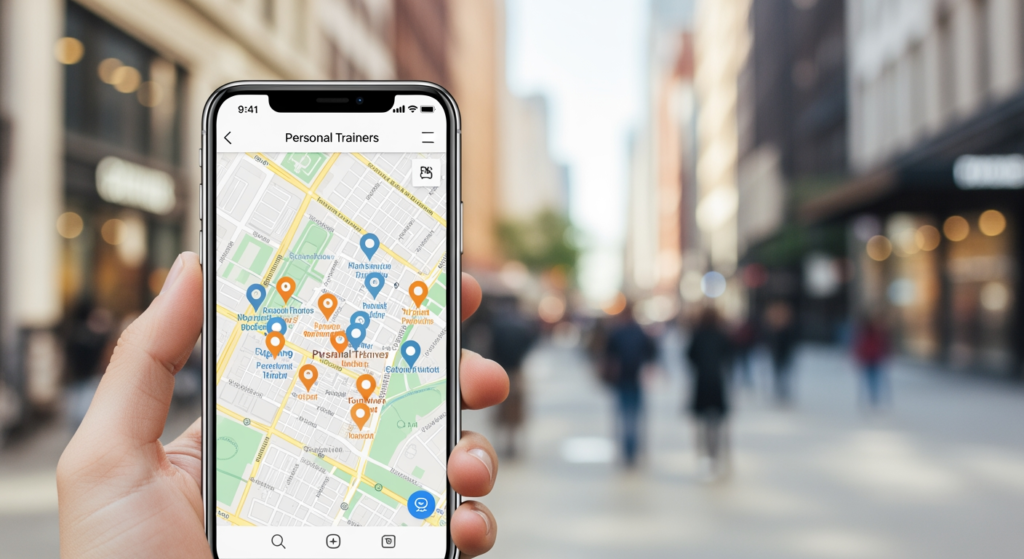
Finding the right coach can change everything—from consistency to confidence to long-term results. If you’ve ever searched for Personal Trainer Near Me, you know the options can feel overwhelming; that’s true whether you’re new to exercise or returning after a break. For clear, practical health advice and guidance on safe activity levels I often point people to trusted health resources like the NHS homepage for reliable guidance on exercise and well-being (https://www.nhs.uk/).
Why “Personal Trainer Near Me” is more than a search phrase
When someone types “Personal Trainer Near Me” they’re usually looking for more than convenience. They want a coach who understands the local fitness culture, knows nearby parks or gyms, and can slot sessions around work and family life. A local trainer brings advantages: in-person accountability, knowledge of community resources, and the ability to adapt workouts to weather, commuting patterns, and available equipment in the city or neighborhood.
Top trends shaping local personal training today
Two major trends are changing what clients expect from local trainers right now. First, hybrid coaching blends in-person sessions with virtual check-ins and on-demand programming so training continues between meetings. Second, wearable tech and data-driven coaching allow trainers to track sleep, heart rate variability, and daily steps to design smarter progress plans. I encourage clients to pick a coach who understands these trends and can apply them sensibly to your goals.
Why these trends matter for you
If you commute or travel for work, hybrid training keeps momentum. If you’re tracking stress, recovery or chronic conditions, wearables provide objective signals your trainer can use to reduce injury risk. The right local trainer will combine these approaches with practical, neighborhood-friendly sessions so your plan fits your life, not the other way around.
How to narrow your search locally
Searching “Personal Trainer Near Me” should be a starting point, not a final decision. I recommend a simple three-step local filter to find coaches who match your needs:
- Look for specialization: Do they work with beginners, sports-specific training, weight loss, rehab or postnatal clients?
- Check convenience: Are sessions offered near your home, workplace, or at partner gyms/parks in nearby neighborhoods?
- Assess format: Do they offer one-on-one, small-group, online, and hybrid options?
What to ask before you book a first session
A good initial conversation reveals more than a polished website. Ask these questions to spot competence and fit without pressure:
- What certifications and continuing education do you hold?
- How do you structure the first month of training for new clients?
- How do you measure progress and adjust programming?
- What’s your cancellation policy and how do you handle missed sessions?
What the answers should feel like
Listen for clarity and a tailored approach. Avoid canned responses. A trainer who asks about your schedule, past injuries, equipment access, and how you prefer to be coached is often a better long-term match than one who promises quick fixes or one-size-fits-all plans.
Red flags to avoid when hiring a local trainer
Not every trainer with an inspiring photo is a good fit. There are some common warning signs I’ve learned to watch for that help save time and money:
- Guarantees of dramatic weight loss in an unrealistically short time.
- No formal credentials or unwillingness to explain training background.
- Plans that ignore health history, pain, or access to equipment.
- High-pressure sales to buy long packages without a trial session.
How local trainers solve real problems
Here are a few ways a nearby trainer can make the difference you’re looking for:
1) They create accountability. A scheduled in-person appointment reduces flakiness. 2) They customize workouts for places you actually use—the gym on your commute, a local park, or a small apartment. 3) They adapt quickly if life changes: if your workday shifts or an injury appears, a local coach can modify sessions immediately. These practical benefits are why local training is often the most sustainable choice.
Simple action plan: start getting results in 30 days
If you want a realistic, 30-day beginning plan you can discuss with any trainer you’re considering, use these steps to form the basis of a meeting or trial week. I’ve used this approach with clients who juggle full schedules, and it helps focus early wins and habit-building:
- Set one measurable outcome for 30 days (e.g., consistent workouts 3x/week, improved sleep by tracking bedtime routines, or completing a 5K walk without stopping).
- Schedule and commit to three training sessions in week one to establish routine and form.
- Agree with your trainer on two at-home or recovery habits—like a 10-minute mobility routine or nightly wind-down—that support the workouts.
- Track progress with simple metrics: session attendance, perceived exertion, and a short weekly reflection on energy and soreness.
How I evaluate a trainer’s program within the first month
During the first month I watch for a few clear indicators of quality: progressive overload (gradually increasing challenge), clear exercise demonstrations and cueing, programming that includes recovery, and communication about how each session ties to the client’s goals. If these boxes are checked, the coach is likely building durable, safe progress rather than short-term excitement.
Local statistics and why they matter
Understanding community-level activity trends helps trainers design realistic plans. For example, national and regional data show levels of physical activity and common barriers to exercise, which informs how trainers approach motivation and accessibility. Local trainers who know patterns in their area—peak gym hours, popular outdoor routes, and neighborhood safety—can provide smarter scheduling and safer outdoor session options. For broader health statistics and guidance, the Office for National Statistics (ONS) homepage is a useful resource to consult (https://www.ons.gov.uk/).
How pricing and packages usually work
Pricing varies widely: some trainers charge by session, others offer discounted block packages, and studio-based coaches or small-group classes often lower per-session costs. When comparing options locally, consider the total value: session length, coach qualifications, included programming or app access, and the trainer’s availability for check-ins between sessions. Sometimes paying a bit more for a trainer who provides clear programming and accountability ends up saving money because you see results faster and avoid wasted sessions.
Practical tips for the first training session
To get the most from a first session I always recommend arriving prepared, but relaxed. Here are four quick steps to make that meeting productive:
- Bring relevant medical information and a list of current medications.
- Wear comfortable clothes and shoes you can move in; bring a water bottle and any regular supplements you take.
- Tell the trainer about previous injuries and what has or hasn’t worked before.
- Be honest about your schedule and stressors so programming will be realistic.
Small-group training or one-on-one: which local option fits you?
Both formats have benefits. Small-group sessions are social, often cost-effective, and great for motivation. One-on-one coaching is more individualized, ideal for technical skills, rehabilitation, or specific performance goals. If you’re new to training, try a trial of each format if available. Many local coaches offer a single introductory session so you can test the atmosphere and teaching style before committing.
How to use technology to enhance a local training relationship
Hybrid coaching is powerful: use short video check-ins, shared training apps, or simple text reminders to keep progress steady between in-person sessions. If a trainer suggests wearable metrics, ask how they’ll use the data. A good coach turns heart rate and sleep data into actionable adjustments—reducing intensity on low-recovery days and prioritizing mobility when needed—rather than just collecting numbers.
Success stories and realistic expectations
Long-term success often comes from small, consistent wins. I’ve seen clients transform their fitness and confidence not because of extreme programs, but because they picked a local coach who matched their personality, created realistic plans, and provided steady encouragement. Expect variability—progress is rarely linear—but if your trainer communicates, adapts, and tracks outcomes, you’re in the right place.
Questions to ask after a few sessions
Once you’ve done 3–5 sessions, ask yourself: Do I feel listened to? Is the programming getting harder in reasonable steps? Is the coach responsive to questions and flexible with scheduling? If you answer “no” to these consistently, it’s okay to consider other options around the city or in nearby neighborhoods until you find the right fit.
Finding long-term motivation
Motivation waxes and wanes; a local trainer helps bridge that gap by keeping sessions varied and tied to meaningful outcomes—better sleep, more energy for kids, or improved performance at work. Ask your trainer to set small milestones and celebrate them. Habit formation is as much part of the job as designing workouts, and the best trainers treat behavior change as a skill that’s taught and practiced.
Wrap-up: how to move forward with confidence
Start by narrowing candidates using specialization, convenience, and format. Ask targeted questions and look for signs of individualized programming and professional qualifications. Use hybrid tools and local knowledge to keep training practical and adaptable. Give a new coach a fair trial period—roughly a month—then evaluate progress and fit.
Ready to take the next step?
I recommend booking one introductory session or consultation to see how a coach communicates and tailors a plan to your life. If you’re ready to work with a local trainer who blends hands-on coaching with smart, modern tools, consider reaching out to KB Personal Training to discuss goals and availability in the city and surrounding neighborhoods. A short conversation can reveal whether the partnership will help you stay consistent, stay safe, and finally get the results you want.